The question is usually posed incorrectly.
Marble, granite or quartz? The homeowner asks it first, usually from a position of
mild anxiety. Then the designer asks it, trying to resolve the brief. Then, occasionally, the architect asks it — framing a more deliberate answer.
Stop asking “which stone is better” and start asking what your project actually requires. There is no universally superior material; instead, granite, marble, and quartz are excellent choices depending on your specific needs. The key to a successful design is aligning the stone’s properties with the demands of your brief.
That distinction matters most along coastal South Africa, where salt air, humidity
shifts and strong natural light change what each material does in practice. A marble counter that performs beautifully in a dry Johannesburg kitchen demands a different sealing and maintenance conversation in a Bantry Bay beach house.
This guide is written for architects and interior designers who want a working decision framework — not a marketing piece for any particular stone. The matrix at the end is printable and is available in PDF form for the project file.
Marble: natural, soft, sealed, prized.
Marble is calcium carbonate. It is soft relative to other stones — typically 3–4 on the Mohs scale (which grades hardness from 1 to 10 – with diamonds at 10)— and it is porous. Both facts are often framed as weaknesses. They are not weaknesses; they are characteristics that determine where and how marble should be specified.
Marble possesses a distinct quality that engineered alternatives cannot replicate: every slab is completely unique. Its veining and natural movement are strictly geological, meaning no two pieces from the same quarry are ever identical. For a book-matched kitchen island or a feature fireplace surround that anchors an entire space, choosing marble is not just a stylistic preference, but a technically sound design decision.
Marble requires intentional upkeep, which the brief must account for: It needs sealing before use, re-sealing on a defined schedule (typically six to twelve months, more frequently in coastal or high-traffic areas). Furthermore, acidic liquids such as citrus, wine and vinegar will etch a polished surface. Etching is not damage in the catastrophic sense — it is a change in surface finish that can, in many cases, be polished out — but it is a maintenance reality the homeowner must understand before the slab is approved. To prevent marble etching, honing or antiquing the stone before sealing is both highly effective as well as popular. Honing creates a smooth, matte finish that hides acid damage, while antiquing uses acid washing and brushing for a textured, damage-resistant surface.
In coastal projects specifically: sealed marble performs well in bathrooms, kitchen islands and fireplace surrounds where the homeowner understands the sealing requirement. It is less appropriate as an outdoor surface, on pool surrounds, or in high-traffic areas where re-sealing is unlikely to be maintained.
The high-end architectural scene is officially pivoting away from a decade of cool whites. In luxury coastal residences and premium commercial projects, designers are embracing tactile, organic, and earth-toned stones. Warm palettes are staging a massive return, offering spaces an unparalleled sense of grounded sophistication.
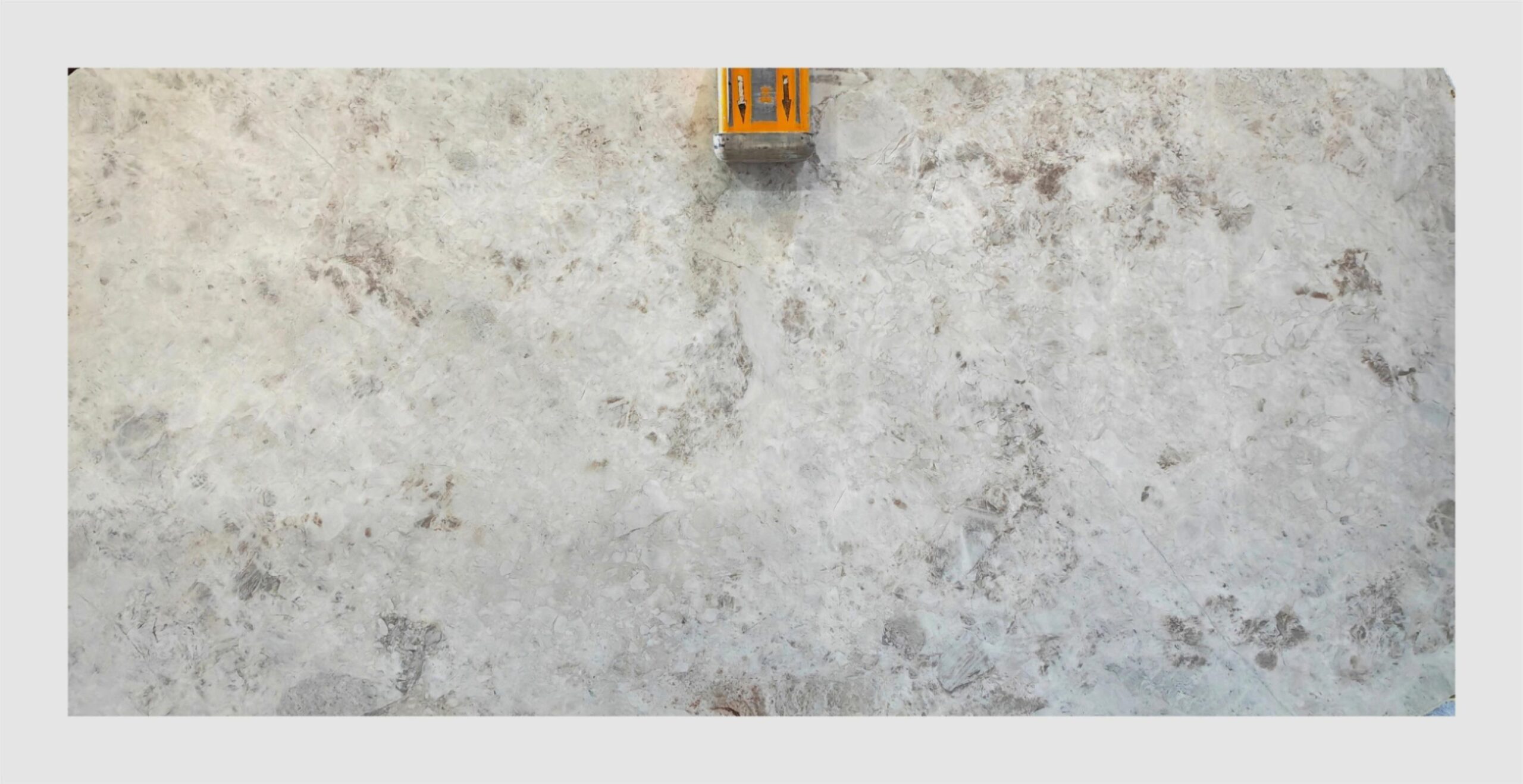
Currently, these are our highly sought-after marble selections:
- Warm & Earthy Neutrals: Leading the charge away from sterile grays are Marron Emperador, Rosa Tuscany (polished or honed), and Breccia Sardo (polished or antiqued). These inviting tones add immediate depth to both contemporary and transitional spaces.
- Biophilic & Greenery Tones: Stones like Verde Guatemala (antiqued) and Grey Tundra continue to be top choices, acting as biophilic bridges that connect coastal interiors to their natural, oceanic surroundings.
- Dramatic & Moody Veining: For a bolder statement in high-end projects, architects are specifying Black Storm (honed or antiqued), Calacatta Monet Oro, and classic Vanilla Ice to serve as breathtaking structural anchors.
- Timeless Italian Classics: Unwavering in their luxury appeal, Bianco Carrara and Volakas remain fundamental choices for spaces seeking an elegant, time-tested aesthetic.
Discover how these premium stones can transform your next design concept or source exclusive material slabs through high-end local stone suppliers like Teramo Quartz & Natural Stone Wholesalers.
Granite: harder, less fashion-led, and often the right answer.
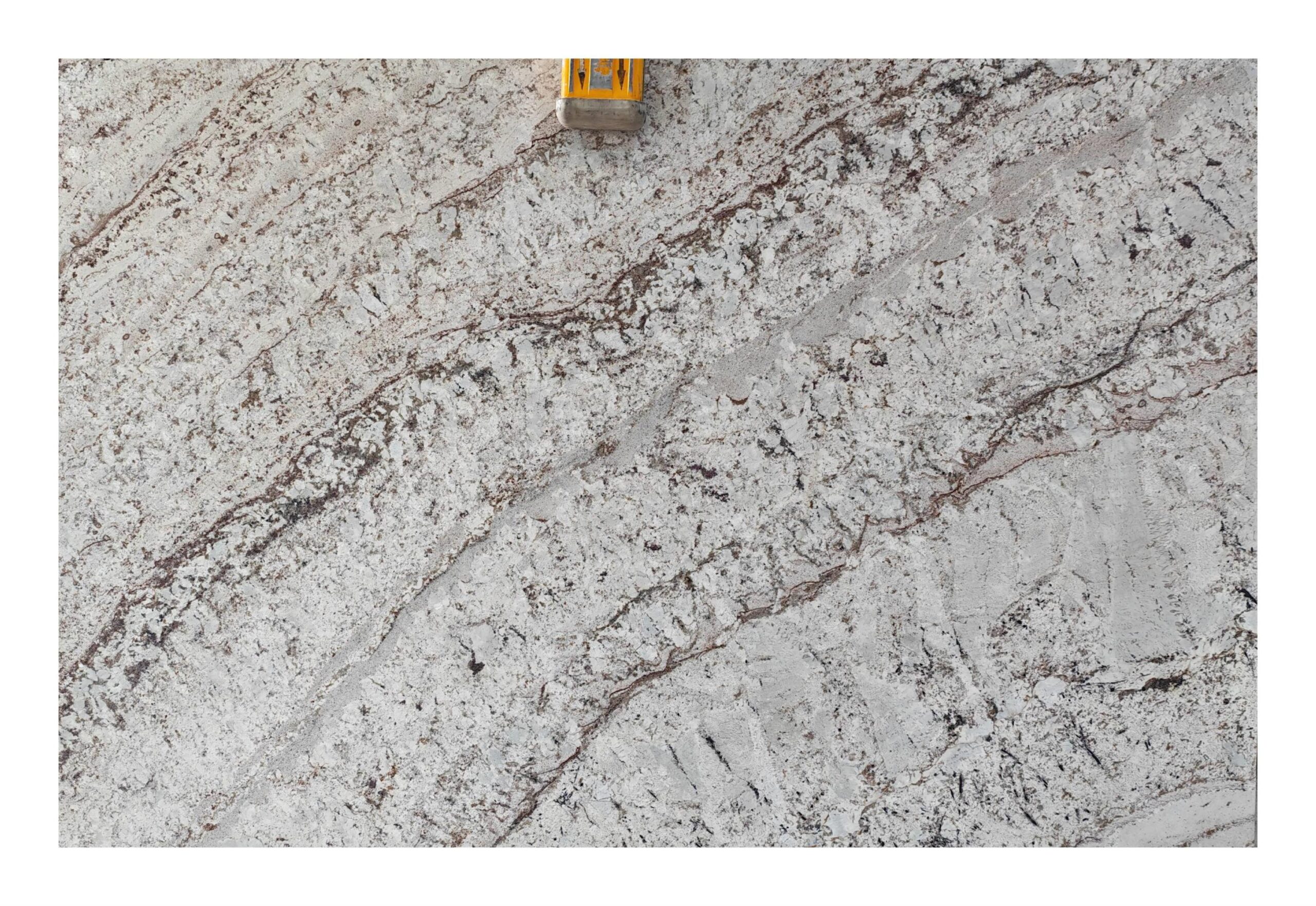
Granite is an igneous rock: harder, denser, and more resistant to scratching and heat than marble. It sits at 6–7 on the Mohs scale. Its porosity varies by type but is generally lower than marble — sealing is still recommended, particularly for
light-colored granites, but the maintenance tolerance is higher.
Granite fell out of favour with residential specifiers in South Africa for most of the 2010s. The association with a particular aesthetic period — speckled black countertops, brown-toned stone in contractor-grade kitchens — made it easy to dismiss. That dismissal was premature. The material itself did not change; the slabs did not change. The projects where it was applied changed.
Where granite earns its specification: outdoor kitchen surfaces, pool and plunge pool surrounds, high-traffic commercial counters, and any project where the brief
prioritizes durability and long maintenance intervals over maximizing visual drama. Zimbabwe Black granite, leathered, reads as a serious material choice in any setting. Titanium Gold, leathered, is a visually arresting material, drawing gasps of appreciation from many stone-lovers.
In coastal environments, granite is the most forgiving natural stone. Its lower porosity means salt air and moisture exposure require less active management. For an East Coast home that is seasonally occupied and unlikely to receive consistent sealing attention, granite is often the professionally correct recommendation.
Quartz (engineered): consistent, non-porous, and where it earns its spec.
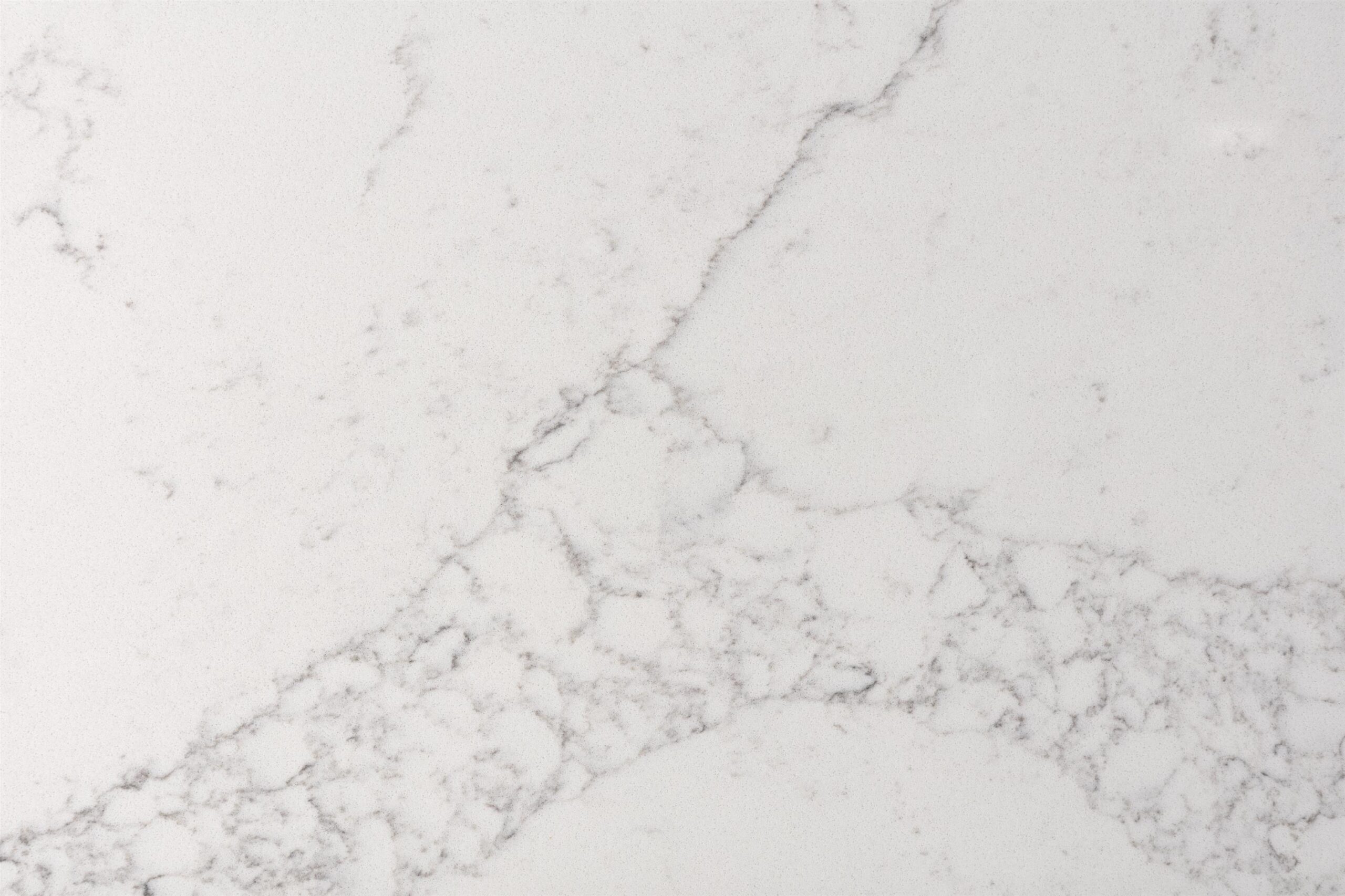
Quartz countertops are engineered: typically, 90–93% ground quartz crystal, bound with polymer resin with pigmentation added to achieve the desired appearance. The result is a non-porous surface with a consistent colour and pattern that does not require sealing and is highly stain resistant.
The case for engineered quartz is straightforward. When the homeowner wants a predictable surface, when the brief calls for a colour match across multiple kitchen elevations, when the project is a rental property or a high-traffic family kitchen where the counter will receive minimal maintenance attention — quartz is not a compromise. It is the right answer for the brief.
What engineered quartz does not do: it does not tolerate sustained direct heat. Hot pots placed directly on quartz surfaces can cause discoloration or resin damage that is not recoverable. Trivets are a functional requirement, not an optional precaution. It also does not perform as an outdoor surface — UV exposure degrades the resin binder over time, and quartz is not rated for exterior use.
The over-specification of engineered stone in South African residential kitchens is a real pattern — we see it weekly in the briefs that arrive. Quartz is specified by default where the homeowner, given the right information, would have preferred marble.
The correct process: brief the homeowner on both, accurately, including maintenance requirements. Then let the brief determine the stone.
The coastal climate factor.
The Garden Route and the Cape coastline present a specific set of conditions:
salt-laden air, consistent humidity, strong direct sunlight, and in many cases, homes that are seasonally occupied rather than maintained year-round.
Salt air does not damage sealed stone directly, but it does accelerate the degradation of the sealant. A sealing schedule designed for a Johannesburg interior may not be
sufficient for the same stone in a coastal bathroom. The practical recommendation for coastal projects: shorten the re-sealing interval by at least one third. A
twelve-month schedule in a dry interior becomes an eight-month schedule on the coast.
For natural stone in outdoor coastal applications — pool surrounds, outdoor kitchen counters, terrace surfaces — the short list of consistently reliable performers: granite (particularly darker varieties), quartzite (harder than marble, lower porosity, closer to granite in performance), and basalt. Marble outdoors on the coast is a maintenance commitment, not a specification.
Light colour behaviour also changes in coastal environments. South African coastal light is strong and directional. Warm-toned stones — creams, beiges, honeys — read
differently along the coast than they do under Cape Town’s grey winter light or under artificial light in a Sandton showroom. Photograph the slab at the site, in natural light, before sign-off. This is not an optional step.
A decision matrix for the next brief.
The table below is a working reference for the project file.
| Marble | Granite | Quartz (Engineered) | |
| Durability | Moderate — softer, can scratch | High — very hard, chip-resistant | High — consistent hardness |
| Porosity | High — requires sealing | Low to moderate — sealing recommended | None — non-porous by design |
| Coastal suitability | Suitable with correct sealing schedule | Excellent — handles moisture well | Excellent — no sealing required |
| Aesthetic range | Natural veining, unique per slab | Wide — from subtle to dramatic | Consistent — predictable colour and pattern |
| Heat resistance | Good | Excellent | Moderate — can discolour under sustained heat |
| Maintenance | Moderate — regular sealing, acid sensitivity | Low | Very low |
| Typical spec context | Feature kitchen islands, bathrooms, hospitality | High-traffic kitchens, outdoor, commercial | Residential kitchens where consistency is the brief |
How Sangengalo specifies.
We have been supplying, fabricating and installing stone in the Western Cape for over twenty-six years. In that time, the question we are most often asked is some version of the one this guide opens with.
Our answer has not changed. The stone follows the brief. We do not have preferred material, a margin-weighted recommendation, or a slab we are trying to move. We have a yard full of natural stone, a team in our factory who read a slab the way a
carpenter reads a grain, and twenty-six years of completed jobs that demonstrate what each material does when it is correctly specified and correctly installed.
The projects that go cleanly are the projects where the slab was chosen to match the client’s actual tolerance for maintenance — not the slab they saw in a magazine and fell in love with before the conversation about sealing schedules happened.
If you are briefing a stone project along the coast of Cape Town or South Africa this year, send us the spec. We will respond with slab options from the yard, lead times, a fabrication estimate and the maintenance brief for the homeowner — inside two working days.